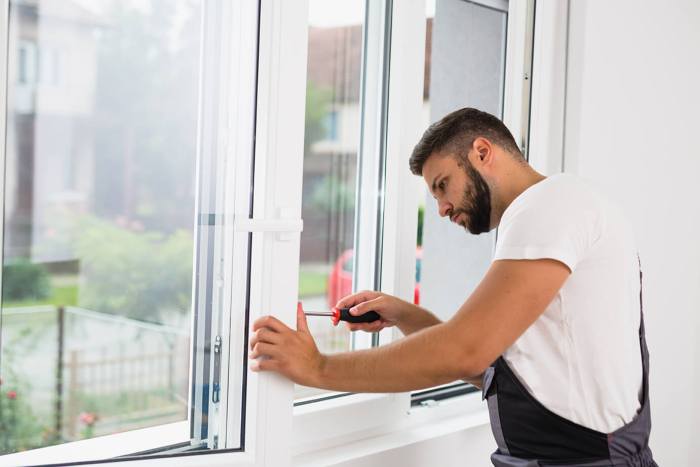
Embarking on the journey of upgrading your home with new windows for installation opens a world of possibilities. From enhancing energy efficiency to elevating the aesthetics of your living space, the process of selecting the right windows is crucial for a successful home improvement project.
As we delve deeper into the types, design considerations, installation process, and energy efficiency aspects of new windows, you'll gain valuable insights to make informed decisions for your home.
. Below is a step-by-step guide to help you navigate through the installation process smoothly.
Types of New Windows
When it comes to choosing new windows for your home, there are several types to consider. Each type offers unique benefits in terms of energy efficiency, aesthetics, and durability. Let's explore some of the most popular options:Vinyl Windows
Vinyl windows are a cost-effective option known for their low maintenance and energy efficiency. They are available in various styles and colors, making them a versatile choice for any home.Wood Windows
Wood windows offer a classic and timeless look that enhances the overall aesthetics of a home. They provide excellent insulation but require regular maintenance to prevent rot and warping.Aluminum Windows
Aluminum windows are lightweight, strong, and resistant to corrosion, making them a durable choice for homes in harsh climates. However, they are not as energy-efficient as other options.Fiberglass Windows
Fiberglass windows are highly durable and low maintenance, with excellent energy efficiency. They are known for their strength and resistance to warping, making them a long-lasting investment for any home.Each type of window material has its advantages and considerations, so it's essential to choose the one that best suits your needs and preferences.Window Design Considerations
When choosing new windows for home installation, several factors should be taken into consideration to ensure the best fit for your space. These factors include the style, size, and shape of the windows, as well as how the design impacts natural light, ventilation, and the overall aesthetics of your home.Impact of Window Design
The design of windows plays a crucial role in determining the amount of natural light that enters a room. Larger windows or windows with a higher number of panes typically allow more light to filter through, creating a brighter and more inviting space. Additionally, the placement of windows can maximize natural light throughout the day, enhancing the ambiance of the room.Ventilation Considerations
Window design also influences ventilation within a home. Casement windows, for example, provide excellent airflow when open, while fixed windows may offer limited ventilation. Consider the orientation of your windows and how different designs can help improve air circulation in your living spaces.Aesthetics and Architectural Style
Selecting window designs that complement the architectural style of your home is essential for creating a cohesive look. For traditional homes, double-hung windows with divided panes may be a suitable choice, while modern homes could benefit from sleek, large picture windows. Matching the window design to the overall aesthetic of your home can enhance its curb appeal and value.Installation Process
Installing new windows in a home is a crucial process that requires attention to detail and precision to ensure a successful outcomeTools and Materials Required
- Measuring tape
- Screwdriver
- Level
- Hammer
- Shims
- Caulk gun
- Insulation foam
- New windows
- Screws
- Safety goggles
Make sure to have all the necessary tools and materials ready before starting the installation process.
Potential Challenges and How to Overcome Them
- Uneven window frame: Use shims to adjust and level the window properly.
- Sealing gaps: Apply caulk around the edges to prevent air or water leaks.
- Proper insulation: Use insulation foam to fill any gaps between the window frame and the wall.
- Correct measurements: Double-check measurements before installation to ensure the windows fit accurately.
Addressing these challenges proactively will help you achieve a seamless window installation process.
Energy Efficiency and Cost Savings
New windows play a significant role in improving the energy efficiency of a home, leading to long-term cost savings on utility bills. By choosing the right windows, homeowners can reduce heat loss in winter and minimize heat gain in summer, ultimately creating a more comfortable living environment while saving money.U-factor, Solar Heat Gain Coefficient, and Visible Transmittance
- The U-factor measures how well a window prevents heat from escaping a home. A lower U-factor indicates better insulation and reduced heat loss, contributing to energy efficiency.
- The Solar Heat Gain Coefficient (SHGC) represents the amount of solar radiation that enters a home through the window. Choosing windows with a lower SHGC can help decrease cooling costs in hot climates.
- Visible Transmittance (VT) indicates how much visible light can pass through a window. Opting for windows with higher VT values allows natural light to illuminate the interior, reducing the need for artificial lighting and saving energy.
Choosing Energy-Efficient Windows
- Look for windows with ENERGY STAR certification, which ensures they meet strict energy efficiency guidelines set by the Environmental Protection Agency.
- Consider the climate in your area when selecting windows. For colder regions, prioritize low U-factor ratings, while in warmer climates, focus on reducing SHGC for better cooling efficiency.
- Invest in double or triple-pane windows with insulating gas fills to enhance thermal performance and reduce energy consumption.
- Opt for low-emissivity (Low-E) coatings on windows to reflect heat back into the home during winter and block unwanted solar heat in summer, improving overall energy efficiency.