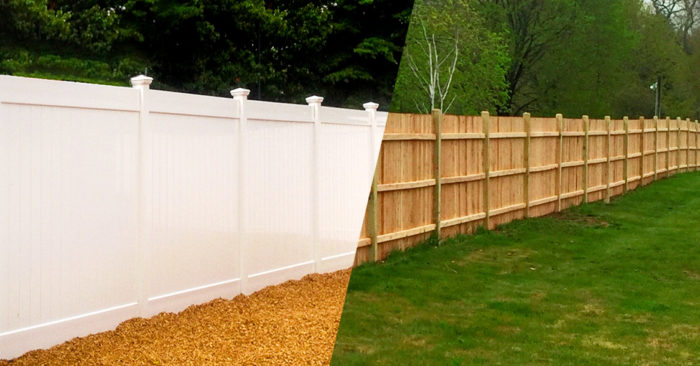
Exploring the differences between vinyl fencing and wood fencing, this introduction sets the stage for a detailed analysis of the two popular options. With a focus on key aspects like cost, durability, maintenance, and aesthetics, readers are in for an informative journey that will help them make an informed decision for their fencing needs.
As we delve deeper into the comparison, we'll uncover essential insights that can assist in weighing the pros and cons of vinyl and wood fencing.
Introduction
Vinyl fencing and wood fencing are two popular choices for property owners looking to enhance the aesthetics and security of their outdoor spaces. Vinyl fencing is made from PVC (polyvinyl chloride) material, offering durability and low maintenance. On the other hand, wood fencing provides a classic and natural look, with options like cedar, pine, or redwood.Both vinyl and wood fencing have their own unique appeal in the market. Vinyl fencing has gained popularity due to its longevity, resistance to rotting, fading, and warping, making it a cost-effective choice in the long run. Wood fencing, on the other hand, appeals to those who prefer a traditional look and feel, adding warmth and charm to the property.When choosing between vinyl and wood fencing, there are key factors to consider. These include the initial cost of installation, maintenance requirements, durability in different weather conditions, and the overall aesthetic appeal that aligns with the property's style and design. It's essential to weigh these factors carefully to make an informed decision that suits your preferences and budget.Cost Comparison
Installing vinyl fencing typically has a higher initial cost compared to wood fencing due to the materials used. However, it is essential to consider the long-term costs associated with maintenance and repairs for both types of fencing.Vinyl fencing requires minimal maintenance over time, as it is resistant to rot, fading, and weather damage. On the other hand, wood fencing may require regular staining, painting, and sealing to prevent deterioration from exposure to the elements. These maintenance tasks can incur additional costs for wood fencing owners.When it comes to repairs, vinyl fencing is generally easier and more cost-effective to repair compared to wood fencing. In the event of damage, vinyl panels can often be replaced individually without having to replace the entire fence. Wood fencing, on the other hand, may require more extensive repairs or even complete replacement of sections if the damage is significant.Overall, while the initial cost of vinyl fencing may be higher, the long-term savings on maintenance and repair costs make it a more cost-effective option in the long run compared to wood fencing.Durability and Lifespan
Vinyl fencing and wood fencing differ significantly in terms of durability and lifespan. Understanding these differences can help you make an informed decision when choosing between the two materials for your fencing needs.Vinyl fencing is known for its exceptional durability compared to wood fencing. Vinyl is resistant to rot, decay, and pests, which are common issues that affect wood fencing. This means that vinyl fencing is less likely to warp, crack, or deteriorate over time, making it a low-maintenance option for homeowners.Factors Affecting Lifespan
- Material Quality: The quality of the vinyl or wood used in the fencing will directly impact its lifespan. Higher quality materials are likely to last longer and withstand harsh weather conditions better.
- Installation: Proper installation is crucial for the longevity of both vinyl and wood fencing. Poor installation can lead to premature wear and damage.
- Maintenance: Regular maintenance, such as cleaning and sealing, can extend the lifespan of wood fencing. Vinyl fencing, on the other hand, requires minimal maintenance to stay in good condition.
Impact of Weather Conditions
-
- Wood fencing is particularly susceptible to weather conditions such as rain, snow, and extreme heat. These elements can cause wood to warp, rot, or fade over time.
- Vinyl fencing, on the other hand, is designed to withstand a wide range of weather conditions. It is resistant to moisture and UV rays, making it a durable option for outdoor use.
Maintenance Requirements
When it comes to maintaining your fencing, both vinyl and wood options have their own set of requirements. Let's take a closer look at what it takes to keep each type of fencing in top condition.Maintenance Requirements for Vinyl Fencing
Vinyl fencing is known for being low maintenance compared to wood fencing. Here are the key maintenance tasks needed for vinyl fencing:-
-
- Regular cleaning with soap and water to remove dirt and grime.
- Periodic inspection for any damage or issues that may arise.
- Repainting or refinishing is not required as the color is typically built into the material.
-
Maintenance Requirements for Wood Fencing
Wood fencing, on the other hand, requires more maintenance to keep it looking its best. Here are the maintenance requirements for wood fencing:-
-
- Regular staining or painting to protect the wood from weather damage.
- Sealing the wood to prevent rot, mold, and insect infestation.
- Periodic inspections for signs of damage, warping, or loose boards.
-
Comparison of Maintenance Effort
When comparing the time and effort needed to maintain vinyl versus wood fencing, it's clear that vinyl fencing is the winner in terms of low maintenance. While wood fencing requires regular staining, painting, and sealing to protect it from the elements, vinyl fencing only needs occasional cleaning and inspections. This means less time and effort spent on maintenance tasks, making vinyl fencing a more convenient option for homeowners looking for a hassle-free fencing solution.Aesthetics and Customization
Vinyl and wood fencing offer distinct aesthetic qualities and customization options that cater to different preferences and styles.Aesthetic Appeal
Vinyl fencing is known for its clean and modern look, providing a sleek and polished appearance to any property. On the other hand, wood fencing exudes a classic and timeless charm, adding a warm and natural feel to the surroundings.Customization Options
When it comes to customization, vinyl fencing offers a wide range of colors and styles to choose from, allowing homeowners to match their fencing with the overall design of their home. Wood fencing, on the other hand, can be stained or painted in various colors to achieve a personalized look.Design Styles
-
-
- For vinyl fencing, contemporary and minimalist designs work well, enhancing the modern aesthetic of the property.
- Wood fencing complements traditional and rustic styles, blending seamlessly with nature-inspired landscapes or classic architectural themes.
-