As The Role of Data Analytics in Fleet Performance takes center stage, this opening passage beckons readers into a world crafted with good knowledge, ensuring a reading experience that is both absorbing and distinctly original. Dive into the realm where data transforms fleet operations, optimizing performance and driving success.
Importance of Data Analytics in Fleet Performance
Data analytics plays a crucial role in optimizing fleet performance by providing valuable insights and actionable information to fleet managers. By analyzing data collected from various sources within the fleet, organizations can make informed decisions to improve efficiency, reduce costs, and enhance overall productivity.
Enhancing Operational Efficiency
Data analytics enables fleet managers to track and monitor key performance indicators such as fuel consumption, maintenance schedules, driver behavior, and route optimization. By analyzing this data, organizations can identify inefficiencies, predict maintenance needs, and optimize routes to reduce downtime and improve operational efficiency.
Reducing Costs and Improving Productivity
Through data-driven decisions, fleet managers can identify cost-saving opportunities, such as reducing idle time, improving fuel efficiency, and optimizing vehicle utilization. By leveraging data analytics, organizations can make strategic decisions that result in cost reductions and increased productivity across the fleet.
Types of Data Analyzed for Fleet Performance
Monitoring fleet performance involves analyzing various types of data to ensure efficiency and safety within the fleet. Two crucial types of data that are typically analyzed include vehicle telemetry data and driver behavior data.
Vehicle Telemetry Data for Maintenance and Fuel Efficiency
Vehicle telemetry data, which includes information on engine diagnostics, fuel consumption, mileage, and other performance metrics, plays a vital role in improving maintenance schedules and fuel efficiency. By analyzing this data, fleet managers can identify potential issues early on, schedule timely maintenance tasks, and optimize fuel consumption.
This proactive approach helps in reducing downtime, extending the lifespan of vehicles, and ultimately saving costs for the fleet.
Driver Behavior Data for Route Optimization and Safety
Driver behavior data, such as speed, braking patterns, idling time, and adherence to traffic rules, is crucial for optimizing routes and ensuring safety within the fleet. By analyzing this data, fleet managers can identify areas where drivers may need additional training, implement strategies to reduce aggressive driving behavior, and improve overall safety standards.
Additionally, this data can be used to optimize route planning, reduce fuel consumption, and enhance the overall efficiency of the fleet operations.
Implementation of Data Analytics Tools in Fleet Management
Integrating data analytics tools into existing fleet management systems is a crucial step towards optimizing fleet performance. This process involves setting up the necessary infrastructure, collecting relevant data from various sources within the fleet, and implementing algorithms to analyze the data effectively.
Challenges Faced in Implementing Data Analytics Solutions in Fleet Operations
Implementing data analytics solutions in fleet operations can present several challenges. Some common obstacles include:
- Lack of data quality: Ensuring that the data collected is accurate and reliable can be a challenge, as data sources within a fleet may vary in terms of quality and consistency.
- Integration complexity: Integrating data analytics tools with existing fleet management systems can be complex and may require significant resources and expertise.
- Resistance to change: Fleet operators and drivers may resist adopting new technologies and processes, making it challenging to implement data analytics solutions effectively.
Benefits of Real-Time Data Analytics for Proactive Decision Making in Fleet Management
Real-time data analytics offers several benefits for making proactive decisions in fleet management, such as:
- Improved operational efficiency: Real-time data analytics allows fleet managers to identify inefficiencies and bottlenecks in operations quickly, enabling them to take immediate corrective actions.
- Enhanced safety: By analyzing real-time data on driver behavior and road conditions, fleet managers can proactively address safety issues and reduce the risk of accidents.
- Cost savings: Real-time data analytics can help optimize fuel consumption, maintenance schedules, and routing, leading to cost savings for the fleet.
Predictive Analytics in Fleet Performance
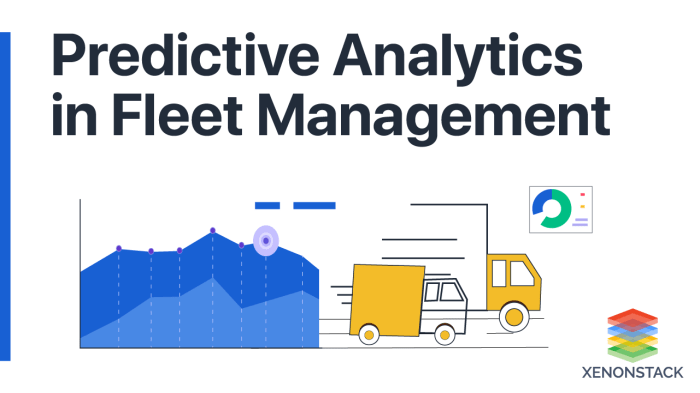
Predictive analytics play a crucial role in fleet management by using historical data and algorithms to forecast maintenance needs and prevent breakdowns. By analyzing patterns and trends, fleet managers can anticipate issues before they occur, enabling proactive maintenance and minimizing downtime.
Role of Predictive Maintenance
Predictive maintenance is essential in reducing downtime and extending the lifespan of fleet vehicles. By identifying potential issues early on, fleet managers can schedule maintenance tasks strategically, avoiding costly breakdowns and ensuring optimal vehicle performance.
- Predictive analytics can predict when a vehicle is likely to experience a mechanical failure based on historical data and performance metrics.
- By implementing predictive maintenance strategies, fleet managers can proactively address issues, preventing breakdowns and minimizing disruptions to operations.
- Regular monitoring and analysis of data can help identify patterns that indicate the need for specific maintenance tasks, such as oil changes or part replacements.
Examples of Predictive Analytics Applications
Predictive analytics applications have successfully improved fleet performance in various ways. For instance, predictive maintenance software can analyze vehicle data in real-time to detect anomalies and predict potential failures. By leveraging this technology, fleet managers can optimize maintenance schedules, reduce costs, and enhance overall operational efficiency.
- One example is the use of predictive analytics to predict tire wear and schedule replacements before they become a safety hazard, ensuring fleet vehicles remain in optimal condition.
- Another example is the implementation of predictive maintenance tools that analyze engine performance data to identify issues early on and prevent costly repairs down the line.
Data Security and Privacy Concerns in Fleet Analytics
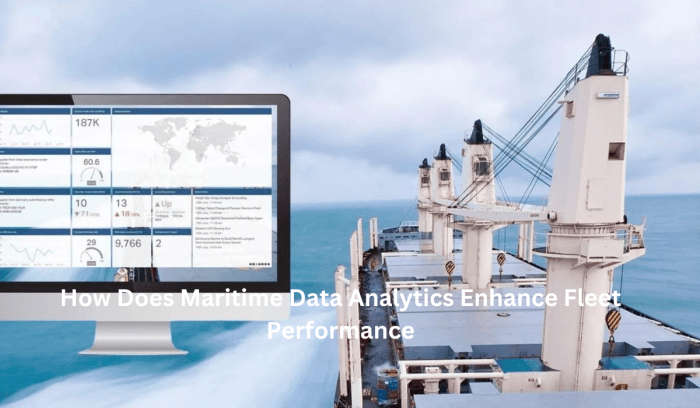
Data security and privacy are crucial aspects when it comes to collecting and analyzing fleet performance data. As companies gather vast amounts of sensitive information from their vehicles, drivers, and operations, it is essential to address the potential risks and concerns associated with data security in fleet analytics.
Potential Data Security Risks
- Unauthorized access to sensitive fleet data by hackers or malicious actors.
- Data breaches that expose confidential information, such as driver details or operational strategies.
- Risks of data manipulation or tampering, leading to inaccurate insights and decision-making.
Strategies for Ensuring Data Privacy
- Implementing encryption protocols to secure data at rest and in transit.
- Establishing role-based access control to limit data access to authorized personnel only.
- Regularly updating security measures and conducting vulnerability assessments to identify and address potential threats.
Compliance with Regulations in Fleet Analytics
- Adhering to data protection laws such as GDPR or CCPA to ensure the lawful collection and processing of personal data.
- Obtaining explicit consent from drivers and employees before collecting their personal information.
- Maintaining transparent data practices and providing individuals with the option to opt-out of data collection.
Best Practices for Safeguarding Sensitive Information
- Regularly training employees on data security protocols and best practices for handling sensitive information.
- Backing up data regularly and storing it securely to prevent loss or unauthorized access.
- Monitoring data access and usage to detect any suspicious activities or breaches in real-time.
Conclusive Thoughts
In conclusion, The Role of Data Analytics in Fleet Performance is a game-changer in the realm of fleet management. By harnessing the power of data, organizations can make informed decisions, reduce costs, and boost productivity. Embrace the future of fleet operations with data analytics at the helm.
Helpful Answers
What types of data are typically analyzed for monitoring fleet performance?
Data such as vehicle telemetry, driver behavior, and maintenance records are commonly analyzed to optimize fleet performance.
How can data analytics tools be integrated into existing fleet management systems?
Data analytics tools can be integrated through APIs or software solutions that allow seamless data flow between the analytics platform and the fleet management system.
What are some strategies for ensuring data privacy in fleet analytics?
Encrypting sensitive data, implementing access controls, and complying with data protection regulations are key strategies to safeguard data privacy in fleet analytics.