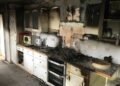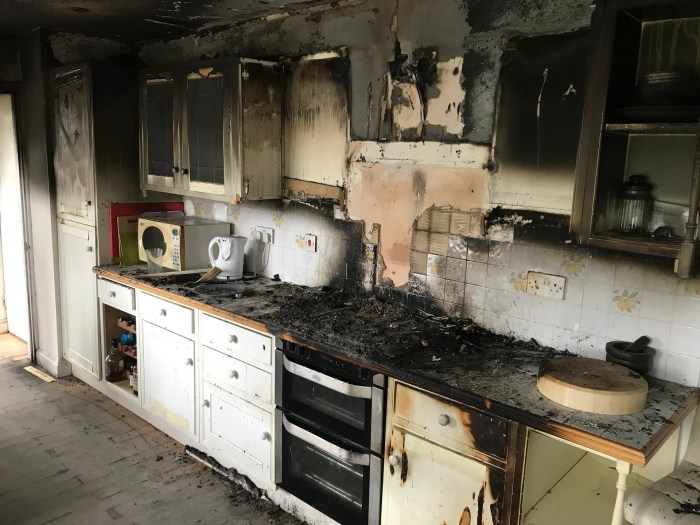
When it comes to fire damage restoration services, the need for professional assistance cannot be overstated. From assessing the initial damage to the final stages of reconstruction, the process is intricate and crucial for restoring properties to their former state.
Exploring the various aspects of fire damage restoration services provides valuable insights into the challenges faced and the solutions available to address them effectively.
Introduction to Fire Damage Restoration Services
When a property is affected by a fire, professional fire damage restoration services play a crucial role in salvaging and restoring the space to its pre-fire condition. These services are essential in ensuring the safety of the property and its occupants, as well as preventing further damage.The Typical Process Involved in Fire Damage Restoration
- Assessment: The restoration team assesses the extent of the damage to determine the necessary steps for restoration.
- Water Removal: Water from extinguishing the fire is removed to prevent mold and mildew growth.
- Smoke and Soot Removal: Cleaning of smoke and soot residue from surfaces and belongings.
- Odor Removal: Specialized techniques are used to eliminate smoke odor from the property.
- Repairs and Renovation: Structural repairs and renovation are carried out to restore the property.
Common Challenges Faced During Fire Damage Restoration Projects
- Water Damage: Water used to put out the fire can lead to additional damage if not properly addressed.
- Smoke Residue: Smoke can penetrate walls, ceilings, and other surfaces, requiring thorough cleaning.
- Structural Integrity: Fire can weaken the structure of the property, requiring careful inspection and repairs.
- Health Hazards: Exposure to smoke residue and mold can pose health risks to restoration workers and occupants.
Assessment and Evaluation
Fire damage restoration professionals conduct a thorough assessment of properties affected by fire incidents to determine the extent of damage and develop an effective restoration plan. This initial evaluation is crucial in ensuring that all necessary steps are taken to restore the property to its pre-fire condition.Initial Assessment Procedures
During the initial assessment, professionals carefully inspect the entire property to identify areas affected by fire, smoke, and water damage. They assess the structural integrity of the building, the extent of damage to walls, ceilings, floors, and other structural elements, as well as the condition of personal belongings and contents within the property.Evaluation of Fire Damage Extent
Professionals evaluate the extent of fire damage by assessing the severity of burns, smoke residues, and soot deposits on various surfaces. They also determine the presence of hidden damage, such as damage to electrical systems, insulation, and plumbing. By conducting a detailed evaluation, professionals can develop a comprehensive restoration plan tailored to the specific needs of the property.Importance of Thorough Evaluation
A thorough evaluation before restoration begins is essential to ensure that all aspects of fire damage are addressed effectively. By identifying all areas of damage and developing a detailed plan, professionals can prioritize tasks, allocate resources efficiently, and minimize the risk of further damage during the restoration process. This comprehensive approach helps ensure that the property is restored safely and efficiently, meeting the highest standards of quality and safety.Cleaning and Debris Removal
When it comes to fire damage restoration, cleaning and debris removal are crucial steps in the process to ensure the affected area is safe and habitable once again.Cleaning Techniques for Soot, Smoke, and Residues
Specialized cleaning techniques are used to remove soot, smoke, and other residues left behind after a fire. These techniques may include:- Dry cleaning methods using sponges or cloths to remove light to moderate soot and residue.
- Wet cleaning methods using cleaning solutions to tackle heavier soot and residue buildup.
- HEPA vacuuming to remove fine particles and debris from surfaces.
- Odor removal treatments to eliminate smoke smells from the affected area.
Debris Removal Process
Debris removal is a critical step in fire damage restoration to clear out charred materials and items that are beyond repair. The process involves:- Assessment of the extent of debris and damaged materials to determine the scope of removal.
- Use of heavy-duty equipment such as dumpsters, trucks, and cranes to haul away debris safely.
- Proper disposal of hazardous materials in compliance with environmental regulations.
Specialized Equipment for Cleaning
Fire damage restoration professionals utilize specialized equipment and tools to effectively clean and restore fire-damaged properties. Some common tools include:- High-efficiency particulate air (HEPA) vacuums to capture fine particles and contaminants.
- Ozone generators to neutralize odors and purify the air.
- Pressure washers for deep cleaning surfaces affected by soot and smoke.
- Abrasive blasting equipment to remove stubborn residues from hard surfaces.
Structural Repair and Reconstruction
When a building is damaged by fire, the structural integrity is often compromised, requiring a thorough assessment and reconstruction process to restore it back to its pre-fire condition.Assessment of Structural Integrity
After a fire, professionals will assess the extent of structural damage to determine the safety and stability of the building. This involves examining the foundation, walls, roof, and other structural components to identify any weaknesses or areas that need immediate attention.- Inspecting the foundation for cracks or shifts that could affect the overall stability of the building.
- Evaluating the condition of load-bearing walls and beams to ensure they can still support the structure.
- Checking the integrity of the roof to see if it has been compromised and needs repair or replacement.
Repair and Reconstruction Process
Once the assessment is complete, the repair and reconstruction process can begin. This involves addressing the structural damage and restoring the building to its pre-fire condition to ensure it is safe and habitable once again.- Removing any damaged structural elements, such as beams or walls, and replacing them with new materials.
- Reinforcing weakened areas with additional support to enhance the structural integrity of the building.
- Repairing any structural damage to the foundation to prevent further issues in the future.
Odor Removal and Air Quality Improvement
When a property has been damaged by fire, one of the most challenging issues to address is the lingering smoke odor that permeates the space. Not only is this odor unpleasant, but it can also pose health risks and decrease the overall indoor air quality. Therefore, effective odor removal is crucial in the fire damage restoration process.Methods for Eliminating Smoke Odors
- Thermal Fogging: This method involves using a machine to disperse a deodorizing fog that penetrates areas affected by smoke odors, neutralizing the smell.
- Ozone Treatment: Ozone generators are used to release ozone molecules into the air, breaking down smoke particles and eliminating odors.
- Hydroxyl Generators: These machines produce hydroxyl radicals that react with and neutralize odorous compounds in the air.
Improving Indoor Air Quality
- HEPA Air Filtration: High-efficiency particulate air (HEPA) filters are used to trap and remove smoke particles and other contaminants from the air.
- Ventilation: Proper ventilation is essential to remove stale, smoky air and replace it with fresh outdoor air, improving indoor air quality.
- Air Scrubbers: These devices filter and clean the air, removing smoke particles and odors to enhance air quality.
Importance of Thorough Odor Removal
Thorough odor removal is essential in fire damage restoration to ensure that the property is safe, habitable, and free from lingering health hazards. Failure to address smoke odors adequately can lead to respiratory issues, allergies, and other health problems for the occupants of the space.Insurance Claims and Documentation
When it comes to fire damage restoration, handling insurance claims is a crucial part of the process. Insurance claims help cover the costs of restoring your property and belongings after a fire incident. Fire damage restoration professionals play a key role in assisting with insurance claims by providing documentation and evidence to support your claim.Documentation Required for Insurance Claims
- Inventory of damaged items: A detailed list of all items that were affected by the fire, including their value and condition before the incident.
- Photographic evidence: Photos of the damage caused by the fire can help strengthen your insurance claim.
- Estimates and invoices: Quotes and invoices from fire damage restoration professionals for the cost of cleaning, repair, and reconstruction.
- Police and fire department reports: Official reports from the authorities detailing the cause and extent of the fire damage.
Role of Fire Damage Restoration Professionals
- Assessment and documentation: Fire damage restoration professionals assess the extent of the damage and provide detailed documentation to support your insurance claim.
- Coordination with insurance adjusters: They work closely with insurance adjusters to ensure that all necessary documentation is provided and that your claim is processed efficiently.
- Expertise in insurance claims: Fire damage restoration professionals have experience dealing with insurance companies and understand the process of filing claims, making them valuable allies in the restoration process.