Embark on a journey into the world of house painters, where precision meets creativity and a fresh coat of paint transforms spaces. From understanding different types of painters to mastering painting techniques, this guide covers it all in detail.
Delve deeper into the realm of house painting as we explore the essential skills, tools, safety measures, and more that every house painter must know.
Types of House Painters
When it comes to house painters, there are different types of professionals specializing in various aspects of painting. Understanding the distinctions between them can help ensure you choose the right painter for your specific needs.Residential vs. Commercial Painters:Residential painters focus on painting homes, apartments, and other residential properties. They are skilled in working on interior and exterior surfaces of houses, providing services such as wall painting, trim work, and cabinet painting. On the other hand, commercial painters specialize in painting commercial buildings, offices, retail spaces, and other non-residential properties. They are experienced in handling larger projects and working in commercial settings.Interior vs. Exterior Painting:Some painters specialize in interior painting, focusing on walls, ceilings, and other interior surfaces. They are knowledgeable about different types of paint finishes, color selection, and techniques for achieving a flawless interior paint job. Exterior painters, on the other hand, are experts in painting the exterior surfaces of buildings, including siding, stucco, brick, and more. They are skilled in handling outdoor elements and using specialized paints for durability.Choosing the Right Painter:It is essential to choose the right painter for your project to ensure quality work and a satisfactory outcome. Consider factors such as the painter's experience, expertise in the type of painting needed, reputation, and pricing. Get recommendations, read reviews, and ask for examples of past work to make an informed decision. By selecting a painter who specializes in the specific type of painting you require, you can ensure a professional finish that meets your expectations.Skills and Qualifications
To excel as a house painter, several essential skills and qualifications are required. Attention to detail, proper training, and certifications play a significant role in ensuring quality work and customer satisfaction.Essential Skills for House Painter
- Proficiency in surface preparation: House painters must be skilled in preparing various surfaces for painting, including sanding, priming, and repairing imperfections.
- Color matching and mixing: The ability to accurately match and mix paint colors is crucial for achieving the desired look and finish.
- Knowledge of painting techniques: House painters should be familiar with various painting techniques like brushing, rolling, and spraying to achieve different textures and finishes.
- Attention to detail: Paying close attention to detail is essential in ensuring clean lines, even coverage, and a flawless finish.
- Time management: House painters must be able to work efficiently to meet deadlines and deliver projects on time.
Importance of Attention to Detail in Painting
Attention to detail is critical in painting as it ensures a high-quality finish and customer satisfaction. A house painter with a keen eye for detail will be able to spot imperfections, ensure clean lines, and achieve a professional-looking result. Whether it's cutting in along edges or applying a smooth coat of paint, attention to detail sets apart a mediocre job from a superior one.Significance of Proper Training and Certifications
Proper training and certifications are essential for house painters to stay updated on the latest techniques, tools, and safety protocols in the industry. Certified painters have the knowledge and skills to handle different types of projects with precision and professionalism. Training programs also provide valuable hands-on experience and the opportunity to learn from seasoned professionals, enhancing the painter's expertise and credibility in the field.Tools and Equipment
House painters rely on a variety of tools and equipment to carry out their painting projects efficiently and effectively. These tools are essential for preparing surfaces, applying paint, and achieving a high-quality finish.Common Tools Used by House Painters
- Paintbrushes: Essential for cutting in edges and painting smaller areas.
- Rollers: Used for applying paint quickly and evenly on larger surfaces.
- Paint Trays: To hold and distribute paint for rollers.
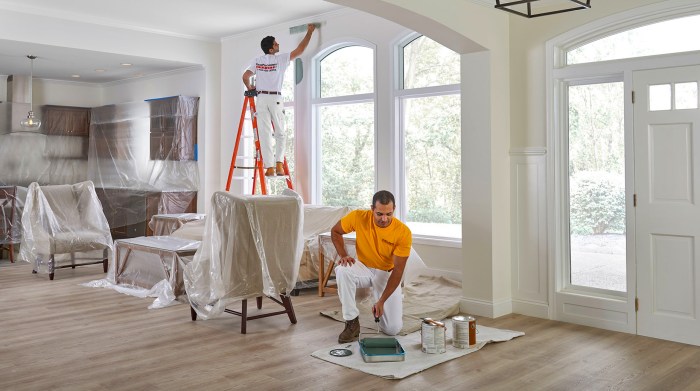
- Drop Cloths: Protect floors and furniture from paint splatters.
- Sandpaper: Used for smoothing surfaces before painting.
- Tape: Helps in creating clean lines and protecting surfaces.
Role of Specialized Equipment
Specialized equipment plays a crucial role in painting projects by increasing efficiency and ensuring professional results. Some examples include:- Paint Sprayers: Ideal for painting large areas quickly and evenly.
- Sanding Machines: Speed up the sanding process for larger surfaces.
- Laser Levels: Assist in achieving straight lines and precise measurements.
- Power Washers: Used for cleaning exterior surfaces before painting.
Latest Technology Advancements
In recent years, technology has significantly impacted the painting industry, leading to the development of innovative tools and equipment. Some advancements include:- Smart Paint Rollers: Equipped with features like adjustable speeds and paint sensors.
- Digital Color Matching Tools: Help painters find the perfect paint color with accuracy.
- Virtual Reality Painting Simulators: Allow painters to visualize and plan projects before starting.
- Robotic Painters: Autonomous machines capable of painting large areas efficiently.
Painting Techniques
Surface preparation is a crucial step before painting to ensure a smooth and long-lasting finish. This involves cleaning the surface, filling in any holes or cracks, sanding rough areas, and priming to create a suitable base for the paint to adhere to.Brushing
Brushing is a traditional painting technique that involves using a paintbrush to apply paint to surfaces. It allows for precision and control, especially in areas with intricate details or corners. To achieve a professional finish with brushing, ensure that the brush strokes are smooth and even, overlapping slightly to avoid visible lines.Rolling
Rolling is a faster painting technique that involves using a paint roller to apply paint to larger surface areas such as walls and ceilings. To achieve a professional finish with rolling, start by loading the roller evenly with paint, then apply it in a "W" or "M" pattern to ensure even coverage. Finish with light roller strokes in a single direction for a smooth finish.Spraying
Spraying is a painting technique that involves using a paint sprayer to apply paint evenly and quickly to surfaces. It is ideal for large areas or surfaces with irregular textures. To achieve a professional finish with spraying, maintain the right distance between the sprayer and the surface, keep the sprayer moving to avoid drips, and overlap each pass slightly for even coverage.Tip: Always start painting from the top down to catch any drips or splatters as you work your way down.
Safety Measures
House painters must prioritize safety to prevent accidents and ensure a secure working environment.Personal Protective Equipment (PPE)
- Wear safety goggles to protect eyes from paint splatters and fumes.
- Use a respirator or mask to avoid inhaling harmful paint fumes.
- Gloves should be worn to protect hands from chemicals and sharp objects.
- Ensure proper ventilation in the workspace to reduce exposure to paint vapors.
Best Practices
- Always read and follow safety instructions on paint labels.
- Keep work areas clean and organized to prevent tripping hazards.
- Avoid smoking or open flames near paint materials.
- Use ladders and scaffolding properly to prevent falls.
- Have a first aid kit on site in case of emergencies.