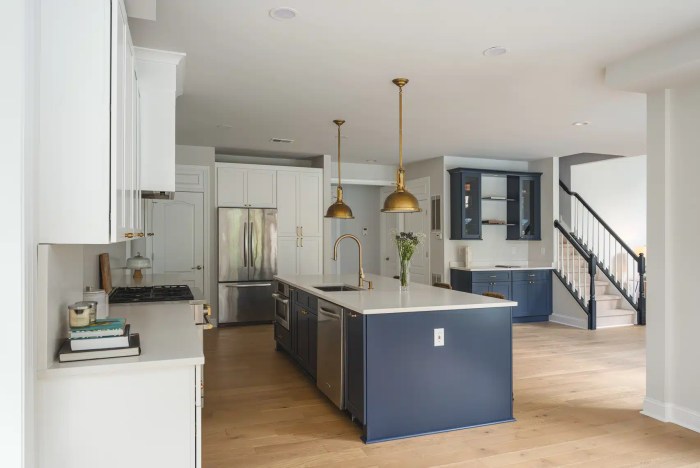
Embark on a journey into the realm of kitchen interior design where aesthetics meet functionality in perfect harmony. Discover the key elements that transform a simple kitchen into a space that reflects your style and enhances your daily life.
Explore the latest trends, practical tips, and budget-friendly ideas that will inspire you to create your dream kitchen.
.
Importance of Kitchen Interior Design
When it comes to creating a warm and inviting home, the kitchen plays a crucial role. Kitchen interior design goes beyond just aesthetics; it impacts the functionality of the space and influences daily activities and mood.Enhanced Functionality
A well-designed kitchen layout can enhance efficiency in meal preparation and cooking. Proper placement of appliances, ample storage space, and easy access to utensils and ingredients can make tasks easier and more enjoyable.Aesthetics and Mood
The design elements in a kitchen, such as color scheme, lighting, and decor, can significantly impact the overall ambiance of the space. A well-designed kitchen with a cohesive and pleasing aesthetic can uplift mood and create a welcoming environment for family and guests.Elements of Kitchen Interior Design
When designing a kitchen, several key elements need to be carefully considered to create a functional and aesthetically pleasing space. These elements include the layout, color scheme, lighting, appliances, materials, storage solutions, and organization. Each of these components plays a crucial role in the overall design and functionality of the kitchen.Layout
The layout of a kitchen is essential for optimizing the space and ensuring smooth workflow. Common kitchen layouts include the U-shaped, L-shaped, galley, and island layouts. The layout should allow for easy movement between the cooking, prepping, and cleaning areas, creating an efficient workspace for the user.Color Scheme
The color scheme of a kitchen sets the tone for the space and can influence the overall ambiance. Neutral colors like white, beige, and gray are popular choices for creating a clean and timeless look, while bold colors can add personality and visual interest. It's essential to consider the natural light in the kitchen when choosing a color scheme to ensure a harmonious and inviting atmosphere.Lighting
Proper lighting is crucial in a kitchen to ensure safety and functionality. Task lighting, ambient lighting, and accent lighting should be strategically placed to illuminate work areas, create ambiance, and highlight design features. Natural light sources like windows and skylights can also enhance the overall brightness and mood of the kitchen.Appliances
Selecting the right appliances is key to a well-designed kitchen. Appliances should be chosen based on the user's cooking habits, lifestyle, and available space. Energy-efficient appliances can help reduce utility costs and minimize environmental impact while providing the necessary functions for meal preparation and storage.Materials
Materials like countertops, cabinets, and flooring play a significant role in the durability and aesthetics of a kitchen. Popular countertop materials include granite, quartz, and marble, while cabinets can be made of wood, laminate, or metal. Flooring options range from hardwood and tile to vinyl and concrete, each offering different levels of maintenance and visual appeal.Storage Solutions and Organization
Effective storage solutions and organization are essential in a kitchen to maximize space and keep clutter at bay. Cabinets, drawers, shelves, and pantry units should be strategically planned to accommodate cookware, utensils, food items, and small appliances. Utilizing smart storage solutions like pull-out racks, lazy Susans, and vertical dividers can help optimize storage and improve accessibility in the kitchen.Trends in Kitchen Interior Design
When it comes to kitchen interior design, staying updated with the latest trends is essential to create a stylish and functional space. Let's explore some of the current trends shaping modern kitchens.Open Shelving and Smart Technology
One of the popular trends in kitchen design is the use of open shelving, which creates an airy and spacious feel in the kitchen while showcasing decorative items and dinnerware. Additionally, smart technology is increasingly integrated into kitchen appliances, allowing for more efficient and convenient cooking experiencesPopular Styles: Modern, Farmhouse, and Industrial
Modern kitchens are characterized by sleek lines, minimalist design, and high-tech appliances, creating a clean and contemporary look. On the other hand, farmhouse kitchens embrace a cozy and rustic feel with natural materials and vintage elements. Industrial kitchens feature exposed brick, metal accents, and utilitarian design, adding an urban and edgy vibe to the space.Sustainability and Eco-Friendly Practices
Influenced by the growing concern for the environment, sustainability and eco-friendly practices are becoming integral to kitchen design. From energy-efficient appliances to eco-friendly materials like reclaimed wood and recycled glass countertops, homeowners are incorporating environmentally conscious choices into their kitchen renovations.Creating a Functional Kitchen Space
Creating a functional kitchen space is essential for optimizing cooking efficiency, storage capacity, and socializing opportunities. By carefully planning the layout and design of your kitchen, you can enhance the overall functionality and comfort of the space.Optimizing Space for Cooking, Storage, and Socializing
- Consider the work triangle concept, positioning the stove, sink, and refrigerator in a triangle formation for easy movement while cooking.
- Utilize vertical storage options such as hanging shelves or cabinets to maximize storage space without cluttering countertops.
- Create designated zones for cooking, prepping, and socializing to streamline activities and enhance the flow of the kitchen.
Maximizing Natural Light and Ventilation
- Install large windows or skylights to bring in natural light, making the kitchen feel more spacious and inviting.
- Use light-colored walls and reflective surfaces to bounce natural light around the room and brighten up the space.
- Ensure proper ventilation with a hood above the stove and windows that can be opened to eliminate cooking odors and maintain a fresh atmosphere.
Importance of Ergonomic Design
- Choose adjustable height countertops and cabinets to accommodate users of different heights and reduce strain on the back and arms.
- Opt for pull-out drawers and organizers in cabinets to make accessing items easier and prevent bending or reaching too far.
- Place frequently used items within arm's reach to minimize unnecessary movement and optimize the efficiency of kitchen tasks.