As roof insulation materials comparison takes center stage, this guide beckons readers into a world crafted with good knowledge, ensuring an absorbing and distinctly original reading experience. From exploring common materials to discussing installation methods and environmental impact, this guide covers it all.
When it comes to choosing the right roof insulation materials, understanding the differences in effectiveness, durability, and environmental impact is crucial. Let's dive into the details to help you make an informed decision for your next project.
Types of Roof Insulation Materials
When it comes to insulating your roof, there are several common materials to choose from. Each type of insulation material has its own benefits and drawbacks, so it's important to understand the differences before making a decision.
Fiberglass Insulation
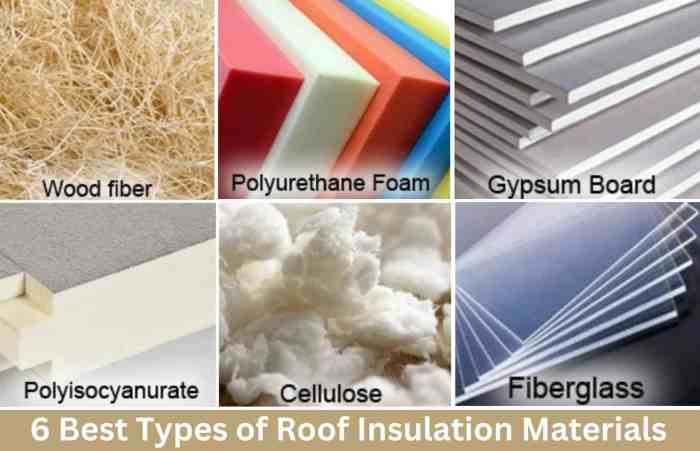
Fiberglass insulation is one of the most popular choices for roof insulation. It is relatively affordable and easy to install. Fiberglass insulation is known for its thermal resistance properties, making it effective in keeping your home warm in the winter and cool in the summer.
Foam Board Insulation
Foam board insulation, also known as rigid foam insulation, is another option for roof insulation. This type of insulation is lightweight and can provide a high level of thermal resistance. Foam board insulation is durable and can help reduce energy costs by creating a barrier against heat transfer.
Spray Foam Insulation
Spray foam insulation is a versatile option for roof insulation. It can expand to fill gaps and cracks, creating a seamless barrier against air infiltration. Spray foam insulation is known for its high R-value, which measures the material's thermal resistance.
However, it can be more expensive compared to other insulation materials.
R-Value Comparison
When it comes to roof insulation materials, understanding the concept of R-value is crucial. The R-value measures the material's thermal resistance, indicating how well it can prevent heat transfer. A higher R-value signifies better insulation properties, leading to improved energy efficiency in buildings.
Cellulose Insulation
Cellulose insulation typically has an R-value ranging from 3.2 to 3.8 per inch. This material is made from recycled paper and treated with chemicals to enhance fire resistance. While cellulose is an eco-friendly option, it may compact over time, reducing its effectiveness.
Mineral Wool Insulation
Mineral wool insulation, which includes both rock wool and slag wool, offers an R-value of around 3.0 to 3.3 per inch. These materials are fire-resistant and provide excellent soundproofing as well. Mineral wool insulation is known for its durability and resistance to moisture.
Reflective Insulation
Reflective insulation, such as radiant barriers, typically has an R-value of 3.5 to 6.0, depending on the installation method and airspace. This type of insulation reflects heat away from the building, making it particularly effective in hot climates. Reflective insulation is lightweight and easy to install, but it may not be as effective in colder regions.The R-value of roof insulation materials directly impacts the energy efficiency of a building.
By choosing materials with higher R-values, property owners can reduce heat loss or gain through the roof, resulting in lower energy consumption for heating and cooling
. Proper insulation helps maintain a comfortable indoor temperature year-round, leading to cost savings and reduced environmental impact.
Installation Methods
When it comes to installing roof insulation materials, different types require different methods to ensure proper coverage and effectiveness. The ease of installation can vary between batt insulation, blown-in insulation, and rigid foam boards, each presenting its own set of challenges and considerations.
Batt Insulation
Batt insulation, typically made of fiberglass or rock wool, is one of the most common types of insulation used in roofs. The installation process involves cutting the insulation to fit between the rafters or joists and securing it in place.
Special care must be taken to ensure there are no gaps or compression of the material, as this can reduce its effectiveness. It is important to wear protective gear such as gloves, goggles, and a mask during installation to avoid irritation from the fibers.
Blown-in Insulation
Blown-in insulation, usually made of cellulose, fiberglass, or mineral wool, is installed using a blowing machine that evenly distributes the insulation material across the attic space. This method is efficient for filling in hard-to-reach areas and irregular spaces. However, proper training and equipment are required to ensure the insulation is evenly distributed and does not settle over time, which can affect its performance.
It is essential to seal any air leaks before installing blown-in insulation to maximize its effectiveness.
Rigid Foam Boards
Rigid foam boards, such as expanded polystyrene (EPS) or extruded polystyrene (XPS), are installed by cutting the boards to size and securing them to the roof deck using adhesive or mechanical fasteners. Special attention must be paid to sealing the joints between the boards to prevent air leakage.
While rigid foam boards offer high thermal resistance, they can be more challenging to install compared to batt or blown-in insulation due to the precision required in cutting and fitting the boards.
Environmental Impact
In considering roof insulation materials, it is crucial to analyze their environmental impact. The sustainability of materials like recycled denim insulation, sheep's wool, and cellulose insulation plays a significant role in creating a greener building.
Recycled Denim Insulation
Recycled denim insulation, made from post-consumer denim, offers a sustainable option for roof insulation. By repurposing old jeans into insulation material, this choice helps reduce waste in landfills and promotes a circular economy. Additionally, denim insulation has a low environmental impact during production compared to traditional fiberglass insulation.
Sheep's Wool Insulation
Sheep's wool insulation is another environmentally friendly option for roof insulation. This natural material is renewable, biodegradable, and has a low carbon footprint. Sheep's wool insulation also has excellent thermal properties, providing effective insulation while minimizing environmental impact.
Cellulose Insulation
Cellulose insulation, made from recycled paper fibers treated with fire-retardant chemicals, is a sustainable choice for roof insulation. This material helps reduce landfill waste by repurposing old paper products and has a lower carbon footprint compared to other insulation materials.
Cellulose insulation is also known for its fire resistance and energy efficiency benefits.
Impact on Green Building
The choice of insulation material can significantly contribute to creating a greener building. By opting for sustainable options like recycled denim, sheep's wool, or cellulose insulation, construction projects can reduce their environmental impact and promote eco-friendly practices. Green buildings with energy-efficient insulation not only lower carbon emissions but also contribute to a healthier indoor environment for occupants.
Closing Summary
In conclusion, the choice of roof insulation materials plays a significant role in the energy efficiency and sustainability of a building. By weighing the pros and cons of different materials, you can make a more environmentally conscious decision that aligns with your project goals.
FAQ Overview
What is the best roof insulation material for energy efficiency?
The effectiveness of insulation materials varies based on factors like climate and building structure. However, spray foam insulation is known for its high R-value and excellent energy efficiency.
Are there any eco-friendly roof insulation options available?
Absolutely! Materials like recycled denim insulation and cellulose insulation offer sustainable options that are both effective and environmentally friendly.
Which roof insulation material is the easiest to install?
Batt insulation is often considered easier to install compared to blown-in insulation or rigid foam boards. It's a popular choice for DIY projects.