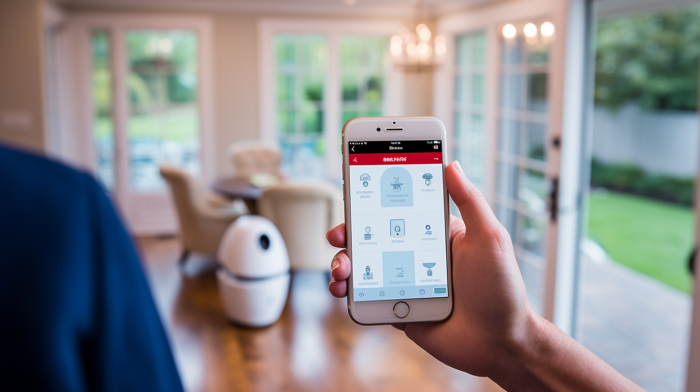
Exploring the world of smart thermostats and the best options available for purchase, this guide dives into the key features, benefits, and considerations when selecting the ideal device for your home.
Introduction to Smart Thermostats
Smart thermostats are innovative devices that allow you to control the heating and cooling of your home remotely through a smartphone, tablet, or computer. These devices use sensors and Wi-Fi connectivity to learn your habits and adjust the temperature automatically, providing a more comfortable and energy-efficient environment.Benefits of Using a Smart Thermostat
- Energy Savings: Smart thermostats can help reduce energy consumption by adjusting the temperature based on your schedule and preferences, saving you money on utility bills.
- Convenience: With remote access, you can easily change the temperature settings from anywhere, ensuring your home is comfortable when you arrive.
- Smart Features: Some smart thermostats offer features like voice control, geofencing, and integration with smart home systems, enhancing the overall user experience.
- Environmental Impact: By optimizing energy usage, smart thermostats contribute to reducing carbon emissions and promoting a greener lifestyle.
How Smart Thermostats Differ from Traditional Thermostats
Unlike traditional thermostats that require manual adjustment and lack advanced features, smart thermostats offer automated temperature control, learning capabilities, and remote access. This allows for more precise temperature management, energy efficiency, and personalized comfort, setting them apart as a modern and convenient solution for home heating and cooling.Features to Consider
When choosing a smart thermostat, it is essential to consider key features that will enhance your overall experience and energy efficiency. From connectivity options to compatibility with smart home systems, each feature plays a crucial role in maximizing the benefits of a smart thermostat.Connectivity Options
When looking for a smart thermostat, it is important to consider the different connectivity options available. Some of the common connectivity options include Wi-Fi, Bluetooth, and even Zigbee. Wi-Fi enabled thermostats allow you to control your thermostat remotely through a mobile app, while Bluetooth connectivity is useful for short-range control. Zigbee connectivity, on the other hand, provides a more stable connection for smart home systems. Consider your preferences and needs to choose the best connectivity option for your smart thermostat.Compatibility with Smart Home Systems
Another crucial feature to consider is the compatibility of the smart thermostat with smart home systems like Alexa or Google Home. This allows you to integrate your thermostat seamlessly into your existing smart home setup, enabling voice control and automation features. Make sure to check if the smart thermostat you are considering is compatible with the smart home systems you already use or plan to incorporate in the future.Top Brands and Models
When it comes to smart thermostats, there are several top brands in the market known for their quality products. These brands have established a reputation for innovation, reliability, and user-friendly features. Let's take a look at some of the popular brands and models that stand out among users.Nest
Nest, a subsidiary of Google, is one of the leading brands in the smart thermostat industry. The Nest Learning Thermostat is highly acclaimed for its sleek design, intuitive interface, and energy-saving capabilities. It learns your schedule and adjusts the temperature accordingly, making it a favorite among users looking for convenience and efficiency.Ecobee
Ecobee is another well-known brand that offers a range of smart thermostat models, with the Ecobee SmartThermostat with Voice Control being a standout choice. This model comes with built-in Alexa voice technology, room sensors for temperature control in multiple rooms, and energy reports to help you track your usage. Ecobee is praised for its user-friendly app and compatibility with various smart home platforms.Honeywell
Honeywell is a trusted name in the HVAC industry, and its smart thermostats are known for their reliability and performance. The Honeywell Home T9 Smart Thermostat is a popular choice, featuring room sensors, geofencing technology, and adaptive recovery for optimal comfort. Honeywell's reputation for quality craftsmanship and durable products makes it a top contender in the market.Emerson
Emerson offers smart thermostat solutions that cater to different needs and preferences. The Emerson Sensi Touch Wi-Fi Thermostat is a top-rated model known for its easy installation, touchscreen interface, and compatibility with voice assistants like Alexa and Google Assistant. Emerson's focus on simplicity and efficiency has earned it a loyal customer base.These are just a few of the top brands and models in the smart thermostat market, each with its own unique features and benefits. Whether you prioritize energy savings, convenience, or smart home integration, there is a smart thermostat out there to meet your needs.Installation and Setup
Installing a smart thermostat can be a great way to improve energy efficiency in your home while also increasing convenience. Here are the general steps for installing a smart thermostat and tips for setting it up properly.General Installation Steps
- Turn off power: Before starting the installation, make sure to turn off the power to your HVAC system at the breaker box to avoid any electrical mishaps.
- Remove old thermostat: Take out the old thermostat from the wall carefully, making note of where the wires are connected.
- Mount new thermostat: Mount the new smart thermostat using the provided instructions and secure it to the wall.
- Connect wires: Connect the wires from your HVAC system to the corresponding terminals on the smart thermostat. Make sure to follow the manufacturer's instructions closely.
- Power up: Turn the power back on at the breaker box and follow the setup instructions on the smart thermostat's display.
Professional Installation Recommendation
Professional installation is recommended for those who are not comfortable working with electrical components or HVAC systems. This ensures that the smart thermostat is installed correctly and safely.
Setting Up and Connecting to Home Network
- Download app: Install the companion app for your smart thermostat on your smartphone or tablet.
- Connect to Wi-Fi: Follow the app's instructions to connect the smart thermostat to your home Wi-Fi network.
- Register device: Create an account and register your smart thermostat on the app to access all the features and settings remotely.
- Set schedules: Customize your heating and cooling schedules on the app to optimize energy usage and comfort.
Energy Efficiency and Cost Savings
Smart thermostats are designed to optimize energy usage in homes, leading to significant cost savings on utility bills. By intelligently regulating heating and cooling systems, these devices can help reduce energy waste and overall consumption.Energy-Saving Features of Smart Thermostats
- Programmable schedules: Smart thermostats allow users to set customized heating and cooling schedules based on their daily routines, ensuring that energy is not wasted when no one is home.
- Learning capabilities: Some models can learn users' preferences and adjust settings automatically, optimizing energy usage without sacrificing comfort.
- Remote access: With the ability to control the thermostat from a smartphone or computer, users can make adjustments on the go, preventing unnecessary energy use.
- Energy usage reports: Many smart thermostats provide detailed reports on energy consumption, helping users identify areas where they can further optimize their heating and cooling habits.
Real-Life Cost Savings with Smart Thermostats
Smart thermostat users have reported significant reductions in their energy bills after installation. For example, a family in a moderate climate saved up to 23% on their heating and cooling costs by using a smart thermostat to regulate their HVAC system efficiently. Another user in a colder climate saw a 30% decrease in their energy bills within the first year of using a smart thermostat.User-Friendly Interface and Control
Smart thermostats are designed with intuitive interfaces that make it easy for users to control their home's heating and cooling system. These interfaces typically consist of a digital display that allows users to view and adjust temperature settings with just a few taps or swipes. The user-friendly design ensures that even those who are not tech-savvy can easily navigate and make changes as needed.Convenience of Adjusting Temperature Settings Remotely
- Smart thermostats offer the convenience of adjusting temperature settings remotely through a mobile app or web portal. This means that users can control their home's temperature from anywhere, whether they are at work, on vacation, or simply lounging on the couch.
- Remote access to temperature settings allows users to ensure their home is comfortable upon arrival, save energy while away, and make quick adjustments without having to physically interact with the thermostat.
Additional Features Enhancing User Experience
- Voice Control: Some smart thermostats are compatible with virtual assistants like Amazon Alexa or Google Assistant, allowing users to adjust temperature settings using voice commands.
- Mobile Apps: Many smart thermostat brands offer mobile apps that provide users with real-time data on energy usage, temperature trends, and even personalized recommendations for optimizing energy efficiency.
- Geofencing: This feature uses the location of a user's smartphone to automatically adjust temperature settings based on whether they are at home or away, providing optimal comfort and energy savings.
Customer Reviews and Ratings
Before making a purchase decision on a smart thermostat, it is crucial to check customer reviews and ratings to gather insights from real users. These reviews can provide valuable information about the performance, reliability, and user experience of different models.Common Feedback from Users
- Many users praise smart thermostats for their convenience and energy-saving features, noting a significant decrease in their utility bills.
- Some customers appreciate the ease of installation and setup, highlighting the user-friendly interfaces of certain models.
- Common complaints include connectivity issues with Wi-Fi or other smart home devices, as well as occasional glitches in the thermostat's programming.
- Users also mention the importance of compatibility with their HVAC systems and the need for regular software updates to ensure optimal performance.
Tips for Interpreting Customer Reviews
- Look for patterns in reviews to determine if certain issues are widespread or isolated incidents.
- Focus on reviews from users who have similar needs or preferences to yours to get a better idea of how a smart thermostat will perform in your home.
- Consider the overall rating and the number of reviews to gauge the general satisfaction level of customers with a particular model.
- Be wary of overly positive or negative reviews and seek out balanced feedback to make an informed decision.