Embark on a journey through the realm of windows and doors, where we delve into the various types, installation processes, energy efficiency impact, and maintenance tips that every homeowner should know.
Discover the key elements that make windows and doors not just functional but also aesthetically pleasing, energy-efficient, and easy to maintain.
. Make any necessary adjustments to ensure proper functionality.
Types of Windows and Doors
Windows and doors come in various types, each with its own unique characteristics and uses. Let's explore the different types and materials commonly used for windows and doors.Types of Windows:
- Single-Hung Windows: These windows have a fixed top sash and a bottom sash that can be opened vertically. They are cost-effective and easy to clean.
- Double-Hung Windows: Both the top and bottom sashes of these windows can be opened vertically, allowing for better ventilation and easier cleaning.
- Casement Windows: These windows are hinged on one side and open outward with a crank. They provide excellent ventilation and a tight seal when closed.
- Sliding Windows: Sliding windows have sashes that slide horizontally, making them ideal for spaces where a protruding window would be inconvenient.
Types of Doors:
- Panel Doors: These doors have square or rectangular panels that add depth and visual interest to the door. They are versatile and can be made from various materials.
- French Doors: French doors are typically made of glass panes and are hinged to open outwards or inwards. They are elegant and allow for natural light to enter the room.
- Sliding Doors: Sliding doors have panels that glide horizontally along tracks. They are space-saving and provide a modern look to any space.
- Dutch Doors: Dutch doors are divided horizontally, allowing the top and bottom halves to open and close independently. They are practical for keeping pets and children contained.
Comparison of Materials:
- Wood: Traditional and attractive, wood is a popular choice for windows and doors. It offers good insulation but may require more maintenance.
- UPVC: UPVC windows and doors are durable, low-maintenance, and energy-efficient. They come in various colors and styles.
- Aluminum: Aluminum windows and doors are lightweight, strong, and resistant to corrosion. They are often used in modern designs.
- Fiberglass: Fiberglass windows and doors are strong, durable, and low-maintenance. They offer good insulation properties and can mimic the look of wood.
Installation Process
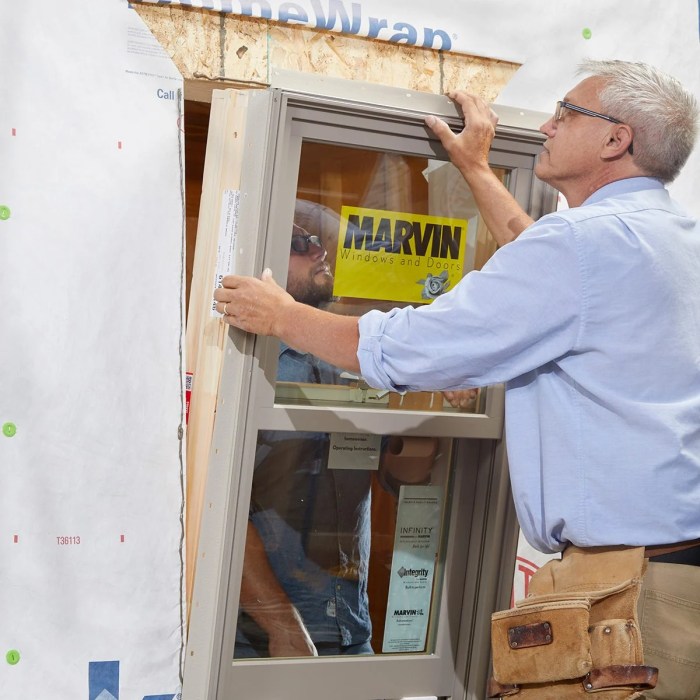
Installing windows and doors is a crucial part of any construction or renovation project. Proper installation ensures the functionality, energy efficiency, and security of these elements in a building. Below is a step-by-step guide on how to install windows and doors correctly, along with tips for a successful installation process.Gather Necessary Tools and Materials
Before starting the installation process, make sure you have all the required tools and materials. This may include a measuring tape, level, screws, screwdriver, shims, caulking gun, and insulation foam.Prepare the Opening
Ensure that the opening for the window or door is clean, level, and free of any debris. Use a level to check for straightness and adjust if necessary. Apply a waterproof membrane around the opening to prevent water intrusion.Install the Window or Door
Carefully place the window or door into the opening, making sure it fits snugly. Use shims to adjust and level the unit. Secure the window or door in place by screwing it into the frame. Check for smooth operation and proper alignment.Insulate and Seal
Once the window or door is securely in place, use insulation foam to fill any gaps between the frame and the opening. Caulk around the edges to seal the unit and prevent air or water leaks. This step is crucial for energy efficiency and weatherproofing.Test and Adjust
After installation, test the window or door by opening and closing it multiple times. Ensure that it operates smoothly and locks securelyTips for Proper Installation
- Always follow manufacturer instructions for installation.
- Take accurate measurements to ensure a proper fit.
- Use a quality sealant to prevent air and water leaks.
- Consider hiring a professional for complex installations.
- Regularly inspect and maintain windows and doors for longevity.
Common Installation Challenges and Solutions
Uneven openings Use shims to level the unit and ensure a proper fit. Air or water leaks Apply additional sealant and insulation to prevent leaks. Difficult operation Adjust hinges or tracks to improve functionality. Poor alignment Reinstall the unit and check for proper alignment.Energy Efficiency
Windows and doors play a crucial role in the energy efficiency of a building. They can affect the amount of heat gained or lost, impacting the overall energy consumption for heating and cooling.Features of Energy-Efficient Windows and Doors
- Insulated Glass: Energy-efficient windows often have multiple panes of glass with insulating gas in between to reduce heat transfer.
- Low-E Coating: This coating helps to reflect heat back into the room during winter and keep it out during summer, reducing energy usage.
- Proper Sealing: Well-sealed windows and doors prevent drafts and air leaks, maintaining a consistent indoor temperature.
- Energy Star Certification: Look for windows and doors with Energy Star certification, indicating they meet strict energy efficiency guidelines.
Maximizing Energy Efficiency with Windows and Doors
- Utilize Window Treatments: Use curtains, blinds, or shades to block out sunlight in the summer and retain heat in the winter.
- Seal Gaps: Ensure windows and doors are properly sealed to prevent air leaks, reducing energy loss.
- Upgrade to Energy-Efficient Models: Consider replacing old windows and doors with energy-efficient ones to improve insulation and reduce energy usage.
- Regular Maintenance: Keep windows and doors in good condition by performing regular maintenance to ensure optimal energy efficiency.
Maintenance and Care
Regular maintenance and proper care are essential to ensure the longevity and functionality of your windows and doors. By following a maintenance schedule and adopting the right cleaning techniques, you can keep them in top condition and prevent common issues from arising.Maintenance Schedule
- Inspect windows and doors quarterly for any signs of damage or wear.
- Check for proper insulation and weather-stripping annually to maintain energy efficiency.
- Clean tracks, hinges, and locks regularly to prevent dirt and debris buildup.
- Apply a fresh coat of paint or sealant as needed to protect against the elements.
Cleaning Guidelines
- For wooden windows and doors, use a mild detergent and water solution to clean the surface. Avoid harsh chemicals that can damage the finish.
- For vinyl or aluminum windows and doors, simply wipe down with a damp cloth and mild soap to remove dirt and grime.
- Use a glass cleaner for cleaning window panes, ensuring a streak-free shine.
Common Issues and Solutions
- Difficulty in opening or closing: Check for debris in the tracks and clean them thoroughly. Lubricate hinges and locks for smooth operation.
- Drafts and air leaks: Replace worn weather-stripping and caulking to improve insulation and energy efficiency.
- Condensation between glass panes: This indicates a broken seal. Contact a professional to repair or replace the affected window.